GARGardening
When to Aerate Your Lawn (and How to Do It Properly)
Published 5 min read
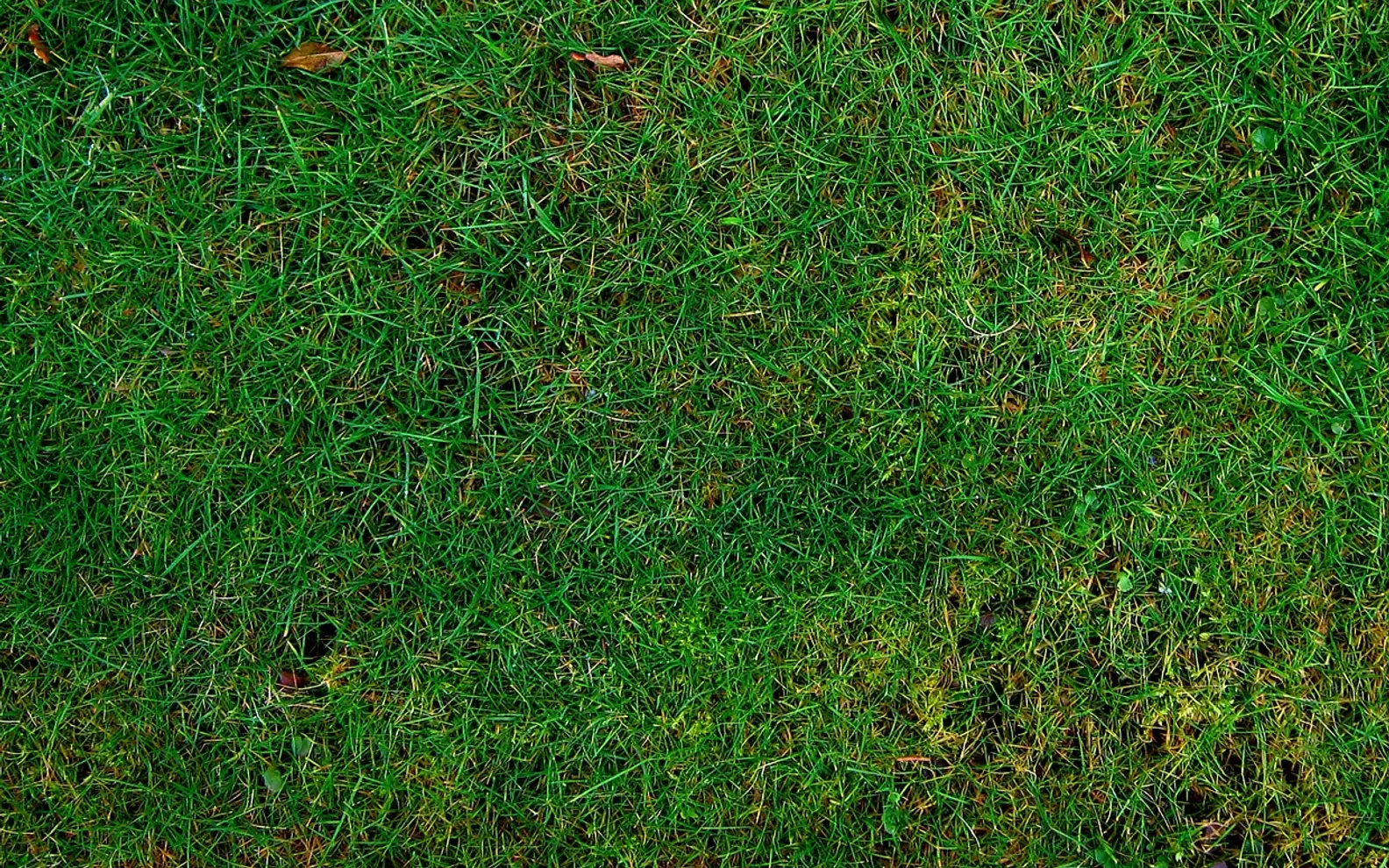
The best time to aerate a lawn is when the grass is in active growth and the soil is moist but not soggy. For cool-season grasses such as fescues, ryegrass and bluegrass, that usually means early autumn, with spring as the second choice. For warm-season grasses such as Bermuda, zoysia and St. Augustine, it means late spring into early summer. Aerating at those points gives the roots time to grow into the holes before heat, drought or frost slows everything down.
What aeration actually does
Feet, mowers, garden furniture and children's games all press soil particles together. Over time the ground under a lawn becomes compacted, and compacted soil holds less air, lets water run off instead of soaking in and makes it harder for roots to push downwards. Aeration opens small channels through the top layer so air, water and fertiliser can reach the root zone again.
It also helps with thatch, the spongy layer of dead stems and roots that builds up between the grass blades and the soil. A thin layer is harmless; a thick one acts like a mat that sheds water. Pulling cores through it breaks it up and brings soil organisms into contact with it, which helps it decompose.
Signs your lawn needs it
- Rain or sprinkler water pools on the surface or runs off rather than soaking in.
- A screwdriver or garden fork is hard to push into the ground when the soil is damp.
- Grass thins out along paths, around the washing line or wherever people cut across.
- The lawn feels spongy underfoot, a hint that thatch has built up.
- Patches stay brown in dry spells even after watering.
- Heavy clay soil, or a lawn laid on ground that builders drove over.
A simple check is to cut out a small wedge of turf with a spade. If the roots stop in a shallow band near the surface, or the soil below is dense and hard, aeration is likely to help.
Core aeration or spike aeration?
| Core (hollow-tine) aeration | Spike (solid-tine) aeration | |
|---|---|---|
| What it does | Pulls out small plugs of soil and leaves them on the surface | Pushes solid spikes into the ground and makes holes |
| Effect on compaction | Relieves it, because soil is removed | Limited; the spikes can press soil tighter around each hole |
| Effect on thatch | Helps break it up | Little effect |
| Typical tools | Manual hollow-tine aerator, walk-behind core aerator for hire | Garden fork, spiked roller, spike shoes |
| Best suited to | Properly compacted lawns and clay soils | Light freshening of looser soil between core treatments |
For a small lawn, a hollow-tine hand tool works, though it is slow and tiring. For anything larger, a powered core aerator hired for half a day saves a lot of effort. Lawn-care firms also offer the job as a service.
How to aerate, step by step
- Mark what lies below. Flag sprinkler heads, shallow irrigation lines, buried cable for garden lights and any other services before you start. Tines can crush a drip line or cut a low-voltage cable just under the turf.
- Water first if the ground is dry. Soak the lawn a day or two beforehand, or wait until the day after decent rain. Tines go in more easily and pull cleaner cores from moist soil. Waterlogged ground, on the other hand, smears and should be left to drain.
- Mow a little shorter than usual. Shorter grass makes it easier to see where you have been and lets the tines reach the soil.
- Work in straight passes. Go up and down the lawn like mowing stripes, overlapping slightly. On badly compacted areas, make a second pass at an angle to the first.
- Leave the cores where they fall. They look untidy for a week or so, then break down with rain and mowing, returning soil and microbes to the surface.
- Follow up straight away. The open holes are the ideal moment to overseed thin patches, spread a light top dressing or apply fertiliser suited to the season.
Powered aerators are heavy and can lurch on slopes. Read the hire shop's safety instructions, wear sturdy boots, and keep children and pets off the lawn while the machine is running.
Aftercare in the following weeks
Keep the soil evenly moist while new seed establishes, which usually means lighter and more frequent watering for a few weeks rather than the occasional deep soak an established lawn prefers. An automatic system takes the guesswork out of this; if the lawn borders beds you already water, our guide to laying out drip irrigation explains how a timer-controlled line keeps the whole garden on a steady schedule.
Avoid heavy foot traffic for a while and hold off on weedkillers that could harm young grass; the product label will say how long to wait after seeding.
How often to aerate
There is no single rule, because soil and use vary so much. A busy family lawn on clay may benefit from core aeration every year. A lightly used lawn on sandy, free-draining soil may need it only every few years, or not at all. Watch the signs listed above and treat the problem areas, such as the route to the shed, more often than the rest.
Common mistakes
- Aerating in a heatwave or drought. Stressed grass struggles to recover, and the open holes can dry the soil further.
- Aerating dormant warm-season grass. Without active growth, weeds may fill the holes before the grass does.
- Raking the cores off. They are part of the benefit; leave them to crumble.
- Forgetting what is buried. Irrigation pipes and lighting cable sit close to the surface, often closer than people remember.
Fitting it into a bigger garden plan
Autumn aeration often lands in the same few weekends as other outdoor jobs. If you are also building beds, a raised garden bed built over a weekend can use some of the topsoil and compost you buy for top dressing. When the project grows into a full overhaul with old turf, soil and paving to clear, it is worth reading up on keeping waste container costs down before booking one. And if the lawn already has path lights, check where their cable runs; the guide to installing low-voltage outdoor lighting covers how that cable is laid and what to check if a run goes dark after digging nearby.
Can I aerate in autumn and overseed at the same time?
Yes. For cool-season lawns this is a classic pairing, because the seed drops into the holes and benefits from warm soil and cooler air.
Is it too late to aerate once the leaves fall?
It depends on the weather. As long as the grass is still growing and there are a few weeks before the ground freezes, it can recover. If frost is close, waiting for spring is the safer choice.
Questions? Write to us.
A short note is enough.