RETRetail
What Is a Pop-Up Shop? How Short-Term Retail Works
Published 3 min read
An online seller has a loyal following but no idea whether those customers would walk into a real shop. A craft brewer wants to test a neighbourhood before committing to a taproom. A clothing label has end-of-season stock to clear. All three can answer their question the same way: open a shop for a short, fixed period, then close it again. That is a pop-up shop.
The definition
A pop-up shop is a temporary retail space that trades for a limited time, anywhere from a single weekend to a few months. It might occupy an empty storefront on a short licence, a stall inside a department store, a corner of a café, a converted shipping container or a stand at a market or event. The short life is the point: it keeps the commitment small and gives customers a reason to visit now rather than later.
Common formats
| Format | What it looks like | Usually suits |
|---|---|---|
| Empty-unit pop-up | A vacant shop let on a short agreement, often lightly fitted | Brands testing a location or launching a collection |
| Shop-in-shop | A dedicated area inside another retailer's store | Small brands borrowing an established footfall |
| Shared pop-up | Several makers splitting one space and its costs | Independent sellers with small ranges |
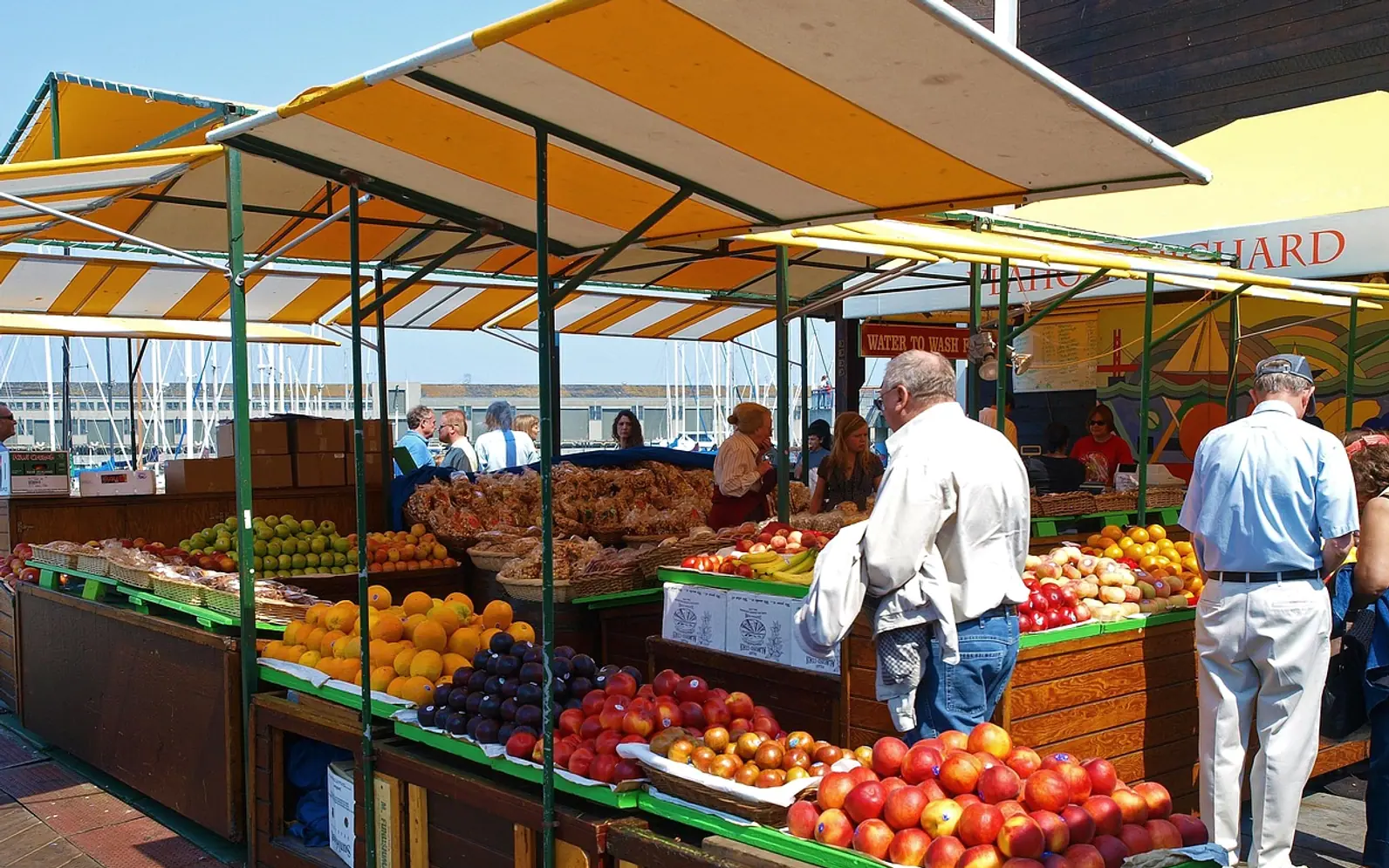
| Event or market stand | A stall at a fair, festival or seasonal market | Seasonal goods, food and drink, gifts |
| Mobile pop-up | A van, trailer or container that moves between sites | Sellers who want to try several areas |
Why sellers use them
- Testing demand. A few weeks of real trading says more about a street or a product than a spreadsheet can.
- Meeting customers in person. Online brands get to watch how people handle the products and hear their questions.
- Creating urgency. A closing date gives people a reason to come this weekend rather than someday.
- Launching or clearing stock. A new range gets a stage; old stock gets a final push.
- Lower commitment. No long lease and a simpler fit-out than a permanent shop needs.
Practical steps for a first pop-up
- Set one clear goal. Sales, sign-ups, feedback on a new product or a test of the area. The goal decides the location, the length and what you count afterwards.
- Find the space and read the terms. Short-term agreements vary widely. Check what is included (utilities, insurance, cleaning, Wi-Fi), when you can get in to set up and what condition the unit must be left in. Local licences, signage rules and insurance requirements also differ by place, so ask the landlord and the council early.
- Plan a compact layout. A small space has to work hard. The principles in our plain guide to visual merchandising for small shops, from a strong window to a clear path through the floor, apply in a temporary unit just as they do in a permanent one.
- Bring a portable till and a stock plan. A card reader, a way to record every sale and a simple count of what goes in and comes out. Busy pop-ups with unfamiliar staff are exactly where stock goes missing, so the routines in our article on shrinkage in retail are worth borrowing.
- Tell people before the doors open. Existing customers, neighbours and passers-by all need to know it exists and when it ends. An up-to-date listing with correct opening hours matters, since people search for what is open near them; our piece on how local search visibility is built covers the basics behind those listings.
- Measure and close cleanly. Compare results with the goal, collect feedback, and hand the space back on time and in the agreed condition.
Making a temporary space feel deliberate
A pop-up competes with shops that have had years to settle into their street, so it needs to look intentional from the first day. Good lighting, a clear sign readable from across the road and one striking display usually do more than filling every shelf. Screens are another option for a short run, because the message can change from launch week to closing week without reprinting anything; the article on digital signage in shops explains how stores use them to turn passing interest into visits.
When the doors close, the most valuable thing a pop-up leaves behind is information: which products sold, which questions came up and whether the area is worth a longer stay.
Questions? Write to us.
A short note is enough.