ENEEnergy
What Is a Smart Meter and How Does It Work?
Published 4 min read
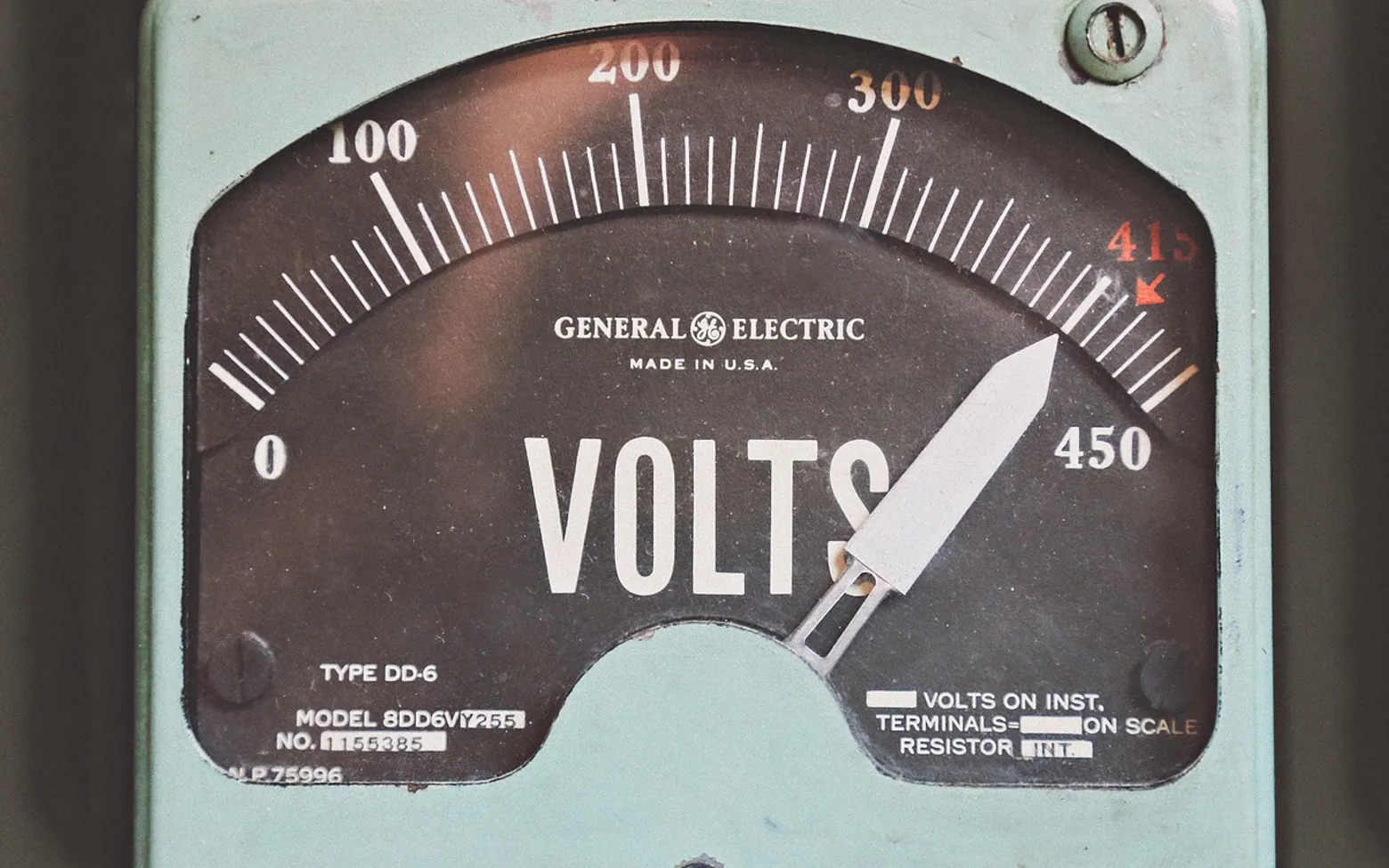
A smart meter is an electricity or gas meter that records how much energy you use in short intervals, often every half hour or every fifteen minutes, and sends those readings to your energy company over a communications network. That ends estimated bills and manual readings, and it makes tariffs possible that charge different prices at different times of day.
What the meter actually does
Inside a smart electricity meter, a metering chip measures the current and voltage flowing into the home and works out consumption continuously. A small memory stores readings in time slots, and a communications module passes them on. Gas versions measure the volume of gas passing through and usually report less often to save battery life.
In short, three jobs happen in one box:
- Measure energy use as it happens.
- Store readings stamped with the time they were taken.
- Send them on a schedule to the supplier or network operator, and sometimes receive updates and instructions in return.
How the readings travel
The route depends on the country and the utility. Common options include a mobile data connection, a radio mesh in which meters relay each other's signals to a collection point, or signals carried over the power lines themselves. In the United States, these systems are often called advanced metering infrastructure, or AMI. In Great Britain, newer meters send data through a central national network that suppliers share, which is why a meter can usually stay "smart" if you switch supplier.
Many installations also include an in-home display, a small screen that shows current use and running costs. It talks to the meter over a short-range wireless link inside the home.
Smart meter vs traditional meter
| Feature | Traditional meter | Smart meter |
|---|---|---|
| Readings | Taken by hand or estimated | Sent automatically |
| Detail | A single running total | Use broken down by time slot |
| Bills | Often estimated between readings | Based on actual use |
| Tariffs | Usually one price at all hours | Can support time-of-use and dynamic pricing |
| Outage detection | Relies on customer reports | Utility may see outages directly |
Time-of-use rates, explained
Once a supplier knows when you used electricity, not just how much, it can charge different prices for different hours. Time-of-use electricity rates usually split the day into peak hours, when demand on the grid is highest, and off-peak hours, when it is lower. Some tariffs add a middle band, and a few change prices every half hour in line with wholesale markets.
These tariffs reward households that can shift flexible jobs such as running the dishwasher, charging an electric car or heating water into cheaper hours. They can cost more for homes that have little room to move their use. Our look at Octopus Energy's role in the UK's energy transition shows how smart tariffs tie in with heat pumps, electric vehicles and renewable supply.
What changes for you
- No more meter readings, and fewer surprise catch-up bills.
- A clearer picture of your habits. Half-hourly data in an app or on the display shows when the big loads happen and what the house uses while everyone is asleep.
- Access to more tariffs, including time-of-use and export tariffs for homes with solar panels.
- Sizing decisions with real data. If you are planning backup power, the usage profile helps; see what size generator you need for your house for the method.
Common concerns
Can a smart meter be read remotely?
Yes, that is its main purpose. The meter sends readings on a schedule, and suppliers can usually request a reading when they need one.
What about privacy?
Detailed readings can reveal patterns such as when people are home. Rules on who may access interval data, and how often, vary by country. In some places you can choose how detailed the data your supplier collects should be, for example monthly, daily or half-hourly. Ask your supplier what it collects, what it shares and how long it keeps the data.
Does a smart meter save money on its own?
No. The meter measures; it does not change consumption. Savings come from what you do with the information, such as spotting standby loads, moving flexible use to cheaper hours or choosing a tariff that fits how your household lives.
Can I refuse one?
That depends on where you live and on your utility. Some areas allow you to keep a traditional meter or switch off the communications function, sometimes for a fee; others are replacing old meters as standard. Your supplier or local energy regulator can explain the rules that apply.
Getting the most from the data
Check the readings for a quiet night when nothing much should be running. A surprisingly high baseline often points to old appliances, heating left on or devices that never really switch off. Then look at the busiest hours of an ordinary weekday and ask whether any of those loads could happen later. Small, repeatable changes tend to matter more than one big effort.
Questions? Write to us.
A short note is enough.