ENEEnergy
Navigating the Energy Shift: Octopus Energy’s Role in the UK’s Transition
Published 2 min read
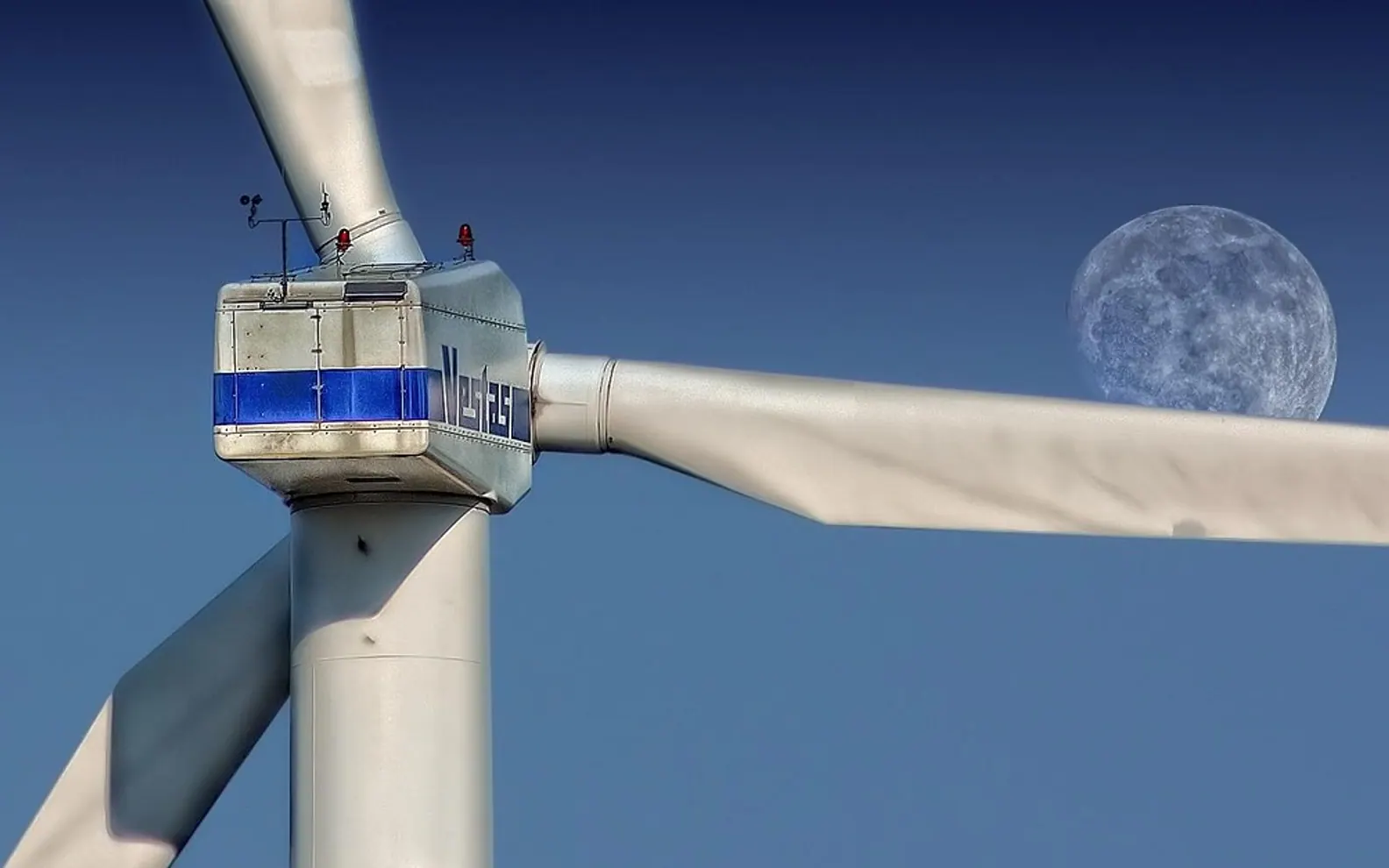
Britain's electricity system is changing shape. Coal power has been phased out, wind and solar supply a growing share and households are being asked to think about when they use power, not just how much. Suppliers sit in the middle of that shift, and Octopus Energy has become one of the names most closely linked with it.
Renewables at the core of the offer
Octopus built its brand around greener supply. Its tariffs are backed by renewable electricity, and the wider group invests in generation projects such as wind and solar farms. For customers, the practical result is a simple way to choose cleaner electricity without changing anything at home. For the industry, it showed that a supplier could compete on price and service while making sustainability part of the pitch.
Smart tariffs that reward flexible use
The more interesting innovation lies in timing. A grid with lots of wind and solar has periods of plentiful, cheap power and periods of strain. Octopus offers tariffs that pass some of that variation on to customers with a smart meter:
- Time-of-use tariffs with cheaper rates at set off-peak hours, popular with electric car owners who charge overnight.
- Dynamic tariffs where prices change through the day, letting people shift washing, dishwashers or battery charging to the cheapest slots.
- Demand flexibility events, which have rewarded households for cutting use during busy periods.
These products are not for everyone. They work best for homes that can move part of their consumption, and anyone considering one should compare it with a standard tariff based on their own usage pattern.
Technology behind the scenes
Octopus developed its own customer and billing platform, known as Kraken, which it also licenses to other energy companies. Tools like this make it easier to run complex tariffs, read smart meter data and give customers apps that show consumption almost as it happens. Clear data helps people understand their bills and spot where savings are possible.
Heat pumps, EVs and the low-carbon home
Decarbonising homes means changing heating and transport, not only electricity. Octopus installs heat pumps and offers products aimed at electric vehicle drivers, linking hardware, tariffs and apps so that a low-carbon home is easier to run. Government grant schemes for heat pumps can change, so check the current rules before planning an installation.
Changing supplier in the UK is usually straightforward: the new supplier handles the switch and your supply is not interrupted. Look at the unit rates, standing charge and any exit fees on your current deal before moving.
Many people who join on a friend's recommendation choose to get a Octopus referral link first, since the supplier's referral scheme has typically added a welcome credit for both the new customer and the person who referred them; the current terms are shown at sign-up.
Questions? Write to us.
A short note is enough.