CARCars
How to Read Tire Size: What the Sidewall Numbers Mean
Published 4 min read
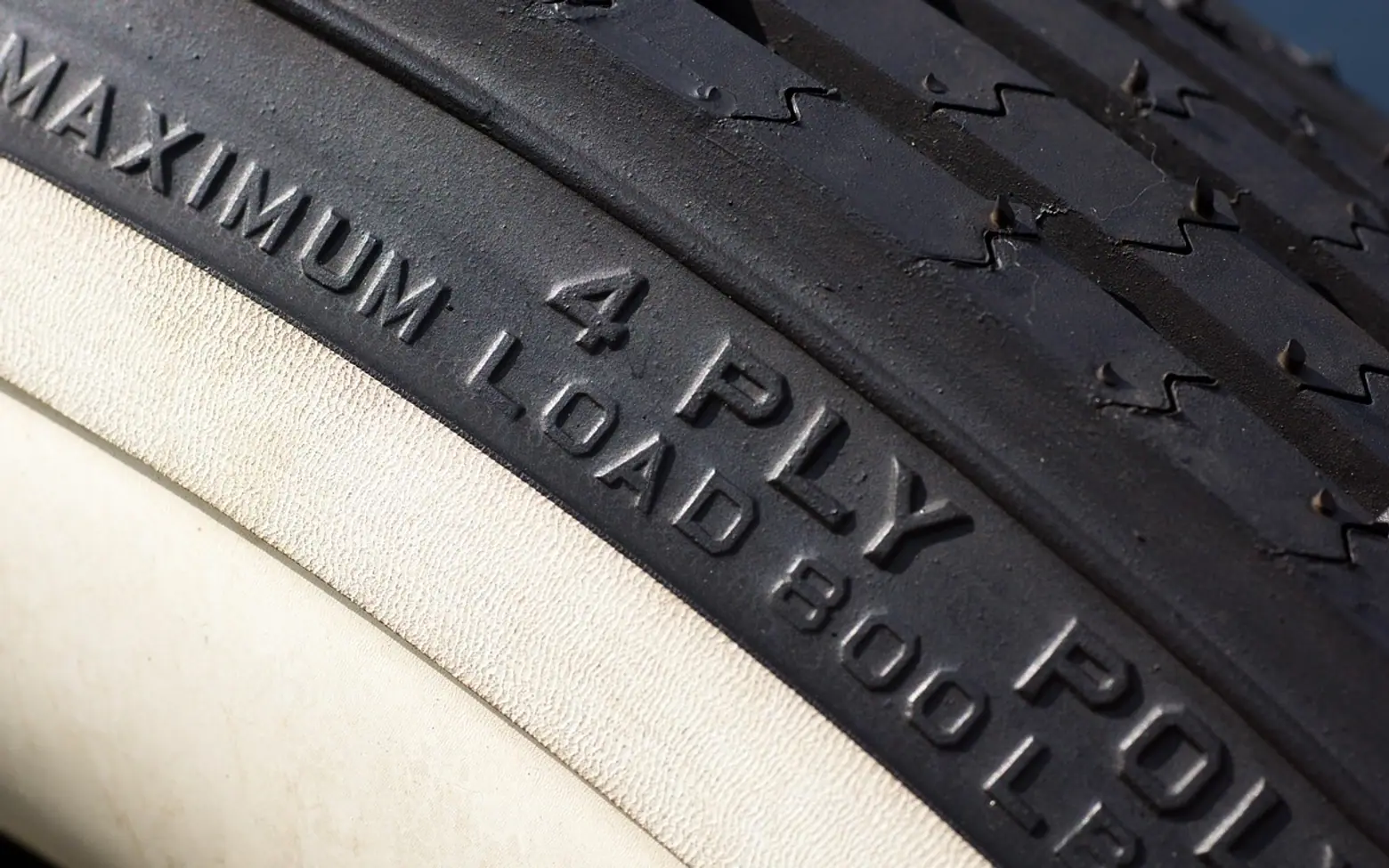
A tire size such as P225/60R17 98H reads left to right: tire type (P), width in millimetres (225), aspect ratio (60), construction (R for radial), rim diameter in inches (17), load index (98) and speed rating (H). Once you know the order, every car tire on the road can be decoded in a few seconds, which helps when buying replacements, checking a quote or making sure a fitted tire matches the rest of the set.
The example, piece by piece
| Part | In the example | What it means |
|---|---|---|
| Tire type | P | Passenger vehicle. LT means light truck; no letter usually means a metric size used widely outside North America. |
| Section width | 225 | Width from sidewall to sidewall, in millimetres, when mounted and inflated. |
| Aspect ratio | 60 | Sidewall height as a percentage of the width. Here the sidewall is 60% of 225 mm. |
| Construction | R | Radial, the standard construction for modern car tires. |
| Rim diameter | 17 | The wheel size the tire fits, in inches. |
| Load index | 98 | A code for the maximum load each tire can carry at the right pressure. In the standard chart, 98 equals 750 kg (1,653 lb). |
| Speed rating | H | A letter for the maximum sustained speed the tire is built for under its rated load. H stands for 130 mph (210 km/h). |
A lower aspect ratio means a shorter sidewall: sharper steering feel, but a firmer ride and more vulnerable wheels on potholes. A higher one means more cushioning. Neither is better in general; the vehicle maker chose a size that suits the car's suspension, brakes and speedometer.
Other markings worth knowing
- DOT code (US): a string starting with "DOT" that ends in four digits showing the week and year of manufacture. 2324 means the 23rd week of 2024. Ageing rubber matters even on tires with plenty of tread, so check this when buying.
- XL or Reinforced: an extra-load version that carries more weight at higher pressure.
- M+S: mud and snow, a manufacturer's marking for tread designed with some winter use in mind.
- Mountain and snowflake symbol: a tire that has passed a standard snow traction test, the usual sign of a winter or capable all-weather tire.
- Treadwear, traction and temperature grades (US): a comparative rating printed on many passenger tires. Treadwear is a relative number; traction and temperature are letter grades.
- Maximum pressure: the highest pressure the tire can safely hold. It is not the pressure you should run.
Where to find the right size for your car
The quickest place is the sticker inside the driver's door frame, sometimes in the fuel filler flap or glovebox. It lists the original tire size and the recommended pressures front and rear. The owner's manual repeats the information and may list approved alternative sizes. Use those figures rather than copying what happens to be fitted, because a previous owner may have chosen something else.
Changing size: proceed carefully
Some drivers fit a wider tire or a larger wheel for looks or grip. Changing size alters the overall diameter, which affects speedometer readings, stability systems, clearance in the wheel arch and sometimes insurance. If you are tempted, talk to a tire specialist, keep the overall diameter close to the original and check that the load index and speed rating are at least what the manufacturer specifies.
Tire design has come a long way, from solid rubber to today's radial constructions with silica compounds and run-flat options; our piece on the evolution of tyre technology traces that history and what it means for drivers now.
A quick tread depth check
Size tells you what to buy; tread depth tells you when. Most tires have small raised bars in the main grooves called tread wear indicators. When the surrounding tread wears down level with those bars, the tire needs replacing.
- Park on level ground and turn the steering so the front tires are easy to see.
- Check several points across each tire: inner edge, centre and outer edge.
- In the US, the penny test is a common shortcut: insert a penny upside down into a groove. If you can see the whole of Lincoln's head, the tread is very shallow.
- A cheap tread depth gauge gives an actual reading and removes the guesswork.
Legal minimums vary. Many US states use 2/32 of an inch, and the UK limit for cars is 1.6 mm across the central three-quarters of the tread. Grip in the wet drops well before either limit, so plenty of drivers replace tires earlier. Uneven wear, such as one edge balder than the other, often points to alignment or pressure problems worth checking.
Make it part of a routine
A monthly walk around the car takes five minutes: pressures, tread, any bulges or cuts in the sidewall, and the oil level. Our guide on the risks of overfilling your car's oil shows how to read the dipstick properly while you are there.
Can I mix tire sizes or brands?
Tires on the same axle should match in size, construction and ideally model. Some cars use different sizes front and rear by design, which the door sticker will show. All-wheel-drive vehicles can be particularly sensitive to mismatched tires, so check the manual.
Is a higher speed rating always better?
Not necessarily. It should be at least the rating the vehicle maker specifies. A higher rating may bring a firmer ride or faster wear, depending on the tire.
Questions? Write to us.
A short note is enough.
Browse the subjects
More guides in Cars
- No. 042CAR · Cars
 Global Horizons: Why Second Citizenship Is an Attractive Option for Nigerian Investors · 2 min
 - No. 038CAR · Cars
 The Positive Evolution of Television: Why IPTV Is Thriving in France · 2 min
 - No. 030CAR · Cars
 Boston Car Service 101: What Private Transportation Includes and When It’s Worth It · 2 min