CARCars
**The Slippery Slope: Navigating the Risks of Overfilling Your Car’s Oil**
Published 2 min read
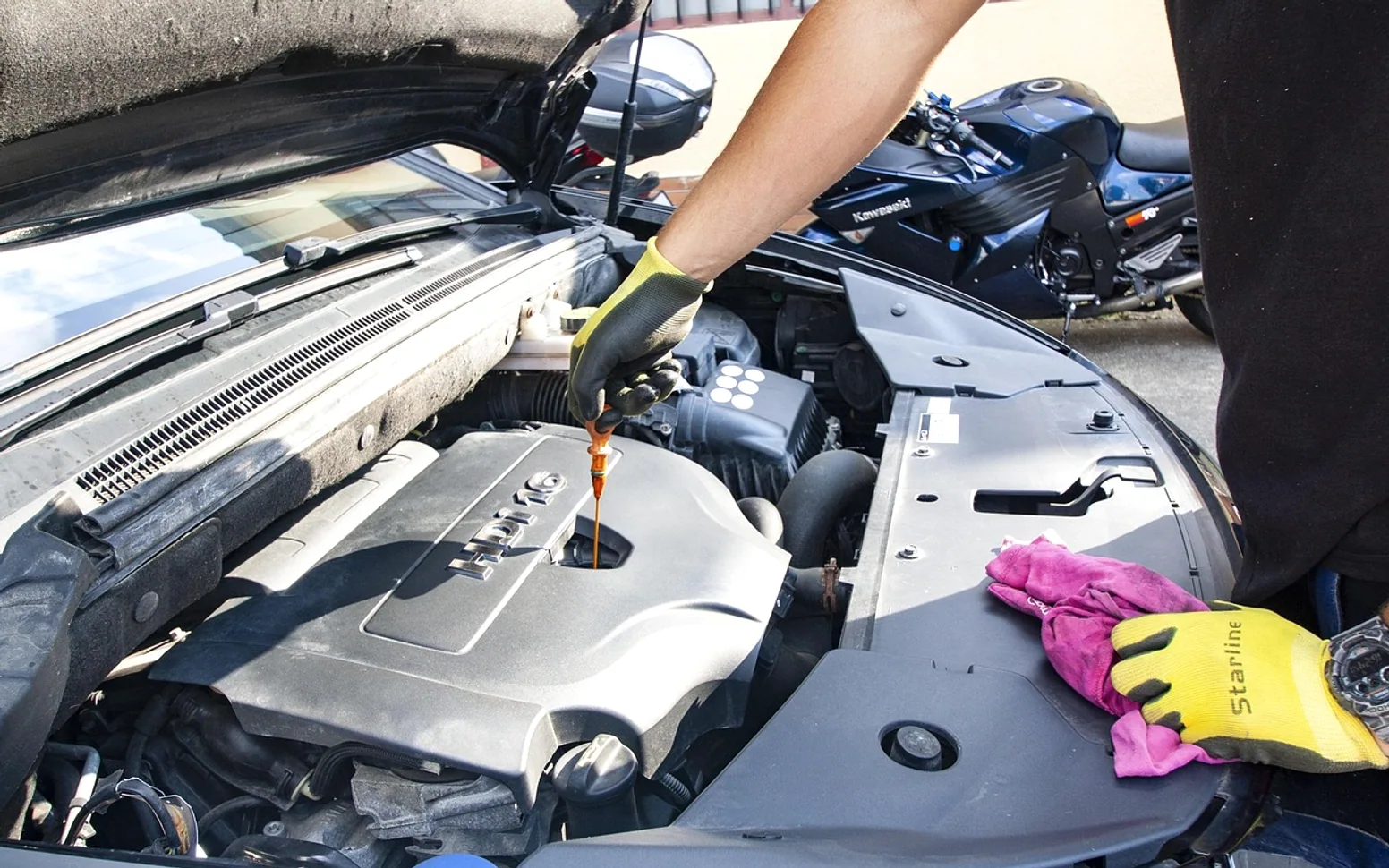
Topping up engine oil feels like the responsible thing to do, and it usually is. The trouble starts when a little extra becomes a lot extra. Engines are designed to run with oil between two marks on the dipstick, and going well past the upper one can cause problems that are easy to avoid with a few minutes of care.
Why the level matters
Oil lubricates moving parts, carries heat away, cushions loads and holds dirt in suspension until the filter catches it. In many engines the oil sits in a sump below the crankshaft. If the level climbs too high, the spinning crankshaft can strike the surface and whip the oil into foam. Aerated oil does not lubricate as well, and pressure inside the crankcase can rise. Over time that may stress seals and gaskets, push oil where it should not go and, in some cars, affect emissions parts such as the catalytic converter.
Signs you may have overdone it
- The dipstick reading sits clearly above the maximum mark.
- Blue-grey smoke from the exhaust, especially after starting.
- A burning oil smell in or around the car.
- Fresh oil leaks or residue around the engine.
- Unusual engine noise or a warning light on the dashboard.
A slight overfill may cause no symptoms at all, which is why checking the dipstick properly is the best defence.
How to check the level correctly
- Stop the car on a flat surface and turn the engine off.
- Wait several minutes so oil drains back into the sump; the owner's manual says whether to check hot or cold.
- Pull the dipstick, wipe it clean, push it fully back in and pull it out again.
- Read the level between the minimum and maximum marks. Some modern cars use an electronic gauge in the dashboard menu instead.
When topping up, add a small amount at a time and recheck, rather than pouring in a large measure at once.
Fixing an overfill
If the level is noticeably high, the safest course is to remove the excess before driving any distance. On many cars that means loosening the drain plug slightly or using an extraction pump through the dipstick tube, then rechecking. If you are not comfortable doing this, a garage can sort it quickly. A question many drivers ask is how long can I run my car with too much oil, and that guide walks through the factors behind the answer in more detail, from the amount of excess to the type of engine.
The sensible takeaway
Oil level is one of the simplest things to keep right and one of the cheapest to get wrong. Check it regularly, top up gradually and use the grade listed in the handbook. If warning signs appear, stop and investigate rather than hoping they will pass. When in doubt, a quick visit to a trusted mechanic costs far less than repairs to an engine that has been running on frothy oil.
Questions? Write to us.
A short note is enough.