TECTechnology
Bridging Creativity: The Collaboration Between In-House Teams and Outsourced AAA Game Artists
Published Updated 2 min read
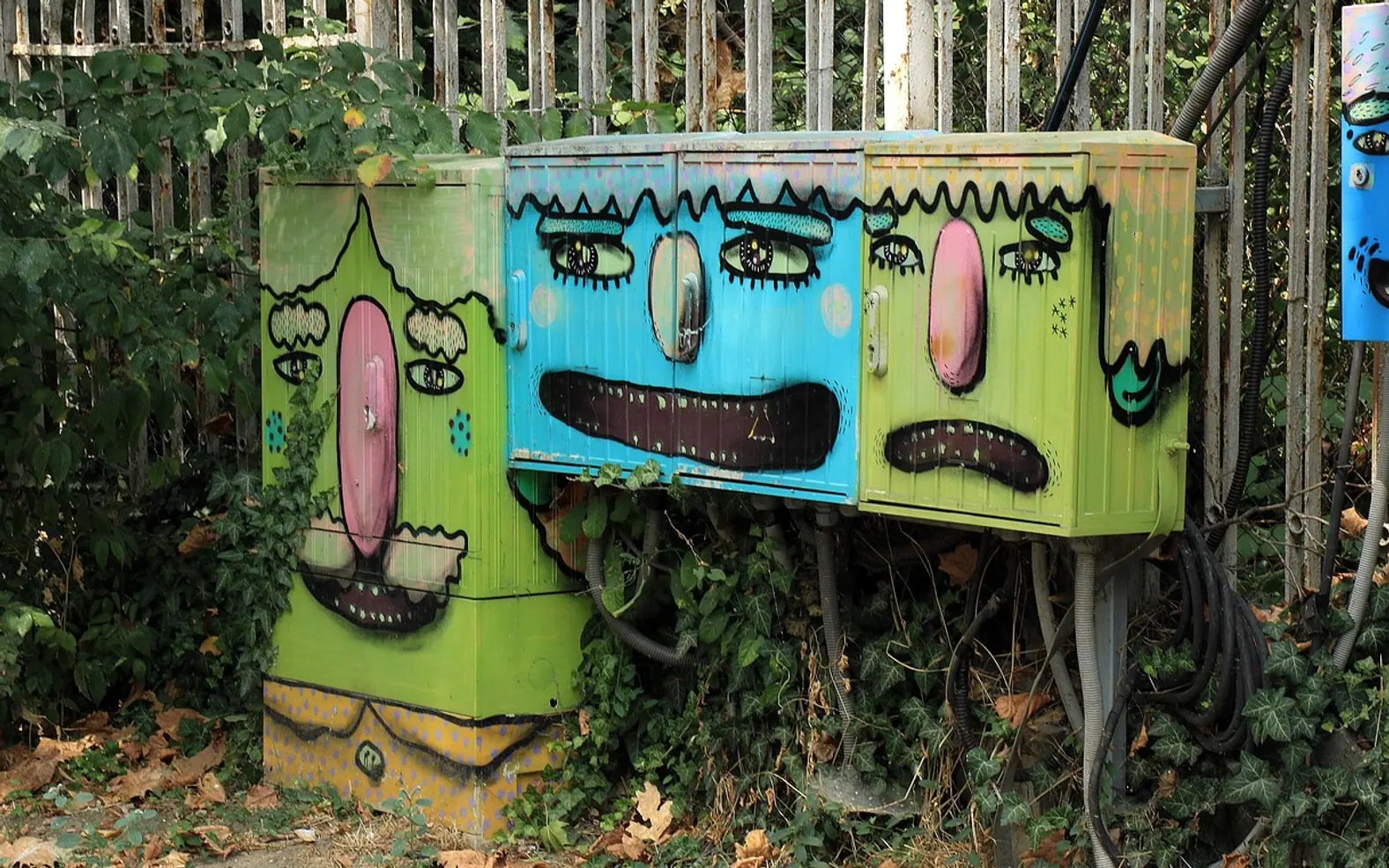
A modern AAA game can need thousands of finished art assets: characters, props, weapons, buildings, terrain, effects and the user interface that ties them together. Very few studios keep enough artists on staff to produce all of that at the pace a release schedule demands. The usual answer is a blended team, where an internal art department sets the direction and specialist partners outside the studio carry part of the load. Done well, players never notice where one group's work ends and the other's begins.
Who brings what to the table
The in-house team holds the context. Its artists sit in on design meetings, know why a character looks tired in act three and understand the technical limits of the engine. That knowledge is hard to transfer, which is why art direction almost always stays inside the studio.
External artists bring depth in particular disciplines and a broad view from working across many productions. A partner focused on hard-surface modelling, creature sculpting or environment texturing can often move quickly on exactly the kind of asset an internal team finds slow. The combination lets each side spend its time where it adds the most.
- Internal team: vision, art direction, key characters, final integration and polish.
- Outsourced partners: high-volume asset production, specialist modelling and texturing, extra capacity during crunch periods.
Keeping the art style consistent
The main risk of splitting work is a game that looks as if it was made by several studios. Preventing that comes down to preparation and communication.
- A clear style guide. Shape language, colour palettes, material rules and level of detail are written down with examples.
- Reference packs. Mood boards, approved finished assets and annotated paint-overs show what good looks like.
- Technical specs. Polygon budgets, texture sizes, naming conventions and export settings remove guesswork.
- Short feedback loops. Reviews at blockout, mid-detail and final stages catch drift early, when it is cheap to fix.
- A single point of contact. One art lead on each side keeps feedback consistent instead of contradictory.
With that groundwork in place, studios can add or reduce outside capacity as the project moves through its phases without losing control of the look.
More than extra hands
Treating partners purely as a production line misses part of the value. AAA game art outsourcing also brings in artists with different training, cultural references and problem-solving habits. A fresh interpretation of a costume or a building style can spark ideas the core team might not have reached on its own, and those ideas often find their way back into the official style guide.
The studios that benefit most tend to invite partners into early concept discussions rather than handing over finished briefs, and they credit good suggestions openly. That builds trust and makes the next project smoother.
What makes the partnership last
Long-running collaborations rest on a few practical habits: realistic schedules, clear acceptance criteria, shared tools for review and version control, and regular check-ins that cover what is working as well as what is not. When both sides understand the game's intent and the standards it must meet, the result is a richer, more polished world delivered on time, and a working relationship that is ready for the sequel.
Questions? Write to us.
A short note is enough.