TECTechnology
Forging Fierce Warriors: Mastering the Art of Realistic 3D Viking Characters
Published Updated 3 min read
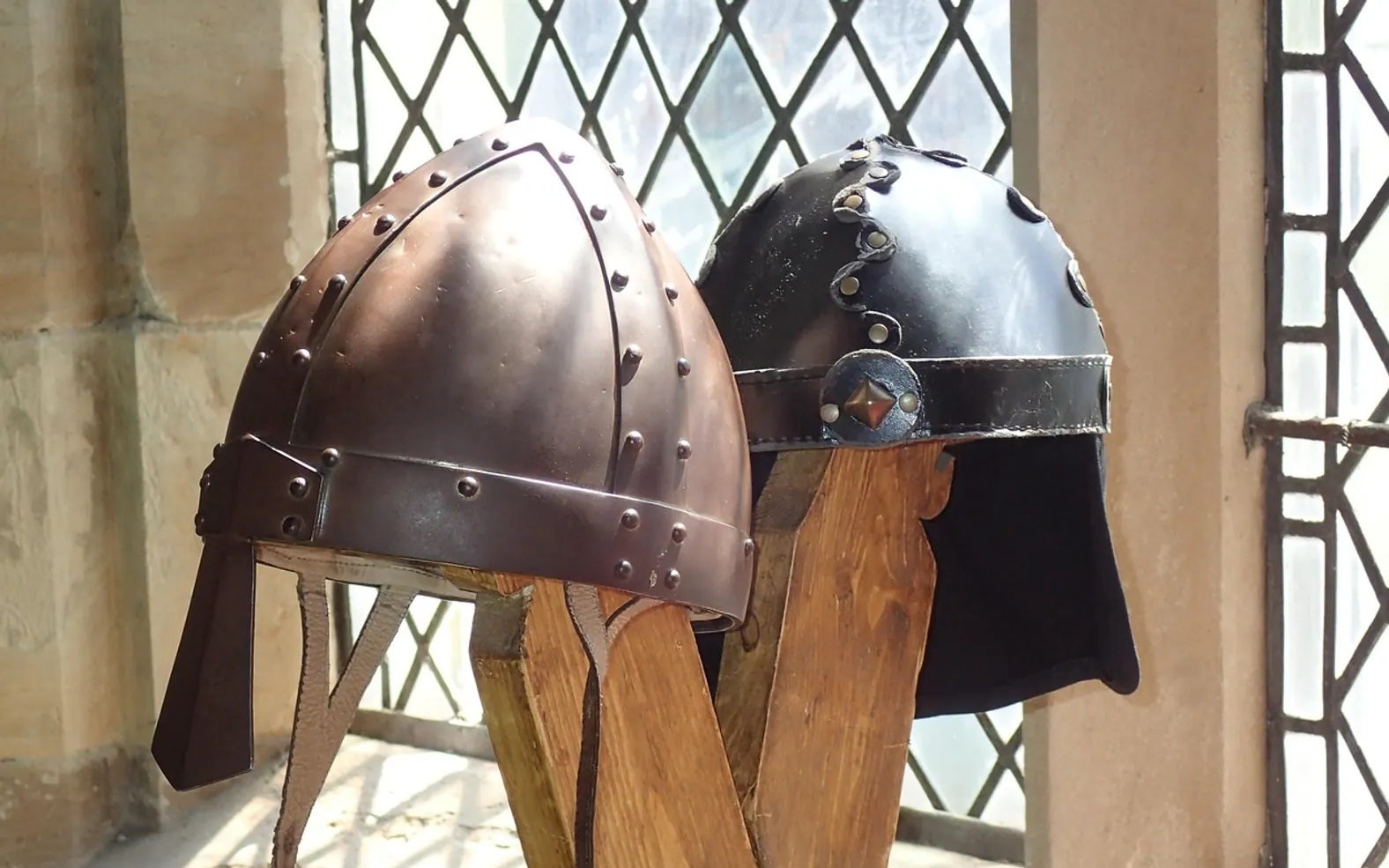
Few character types are as instantly readable as the Viking warrior: braided hair, weathered skin, layered wool and fur, a battered shield. That familiarity is a gift and a trap. Players know the archetype so well that any shortcut, from plastic-looking leather to an axe without a scratch, stands out immediately. Getting it right takes a clear, repeatable process in which each stage builds on the last.
Research and concept before the first polygon
Strong characters begin with reference. Museum collections, archaeological finds, reconstructions of clothing and well-researched illustrations all help separate what Norse warriors actually wore from what popular culture invented. Note fabrics, fastenings, jewellery, hairstyles and the practical wear on everyday objects.
Then decide how closely to follow history. A grounded survival game might stay near the evidence, while a fantasy action title can push silhouettes and ornament further. Concept artists turn those decisions into turnarounds and callouts: the shape of the helmet, the pattern on a cloak, a scar across the eyebrow. Those sheets become the brief every later stage refers back to.
From sculpt to surface
A dependable character modeling workflow usually moves from broad forms to fine detail, so problems are caught while they are still cheap to fix.
- Base mesh. Block out the body in a neutral A-pose or T-pose, which makes rigging easier later. Get proportions right before anything else.
- High-resolution sculpt. In sculpting software such as ZBrush or Blender, add anatomy, skin folds, scars and facial character. Small asymmetries make a face feel lived-in.
- Clothing and armour. Model layers that sit convincingly on the body: a tunic under mail, a belt pulling at wool, fur that drapes rather than floats.
- Texturing. Build materials that react believably to light. Skin needs subtle translucency, metal needs sharp highlights and wear on the edges, leather needs creases and darker patches where hands grip it.
Wear tells a story. Mud on boots, frayed hems and nicks in a blade suggest a life before the player arrived.
Weapons that look used
Axes, swords, spears and round shields deserve the same care as the character. Start from real examples, then add touches that fit the game: carved runes on a haft, painted motifs on a shield, a repaired crack bound with leather. Damage should match use. A shield that has seen battle carries splintered edges and faded paint; a ceremonial blade might be pristine and highly decorated.
Movement, performance and customisation
Rigging gives the model a skeleton and controls that animators can use. Vikings swing heavy weapons, brace behind shields and move across uneven ground, so the rig needs to handle wide shoulder rotation and believable cloth and hair behaviour. In animation, weight sells the fantasy: a two-handed axe swing should feel committed, and idle movements such as shifting a strap or scanning the horizon add personality.
Finally, the character has to run smoothly in an engine such as Unreal or Unity. Retopologise the sculpt into an efficient low-poly mesh, bake normal and ambient occlusion maps to keep the detail, and build levels of detail so the model looks good up close and stays light at a distance.
For live games, modular armour, hairstyles and tattoos let players shape their own warrior, whether a grizzled veteran or a young raider with polished gear. Built on a solid pipeline, those variations stay consistent and keep the character feeling fresh long after launch.
Questions? Write to us.
A short note is enough.