TECTechnology
The Future of Pallets: Exploring Smart Pallet Technology and Its Benefits
Published 2 min read
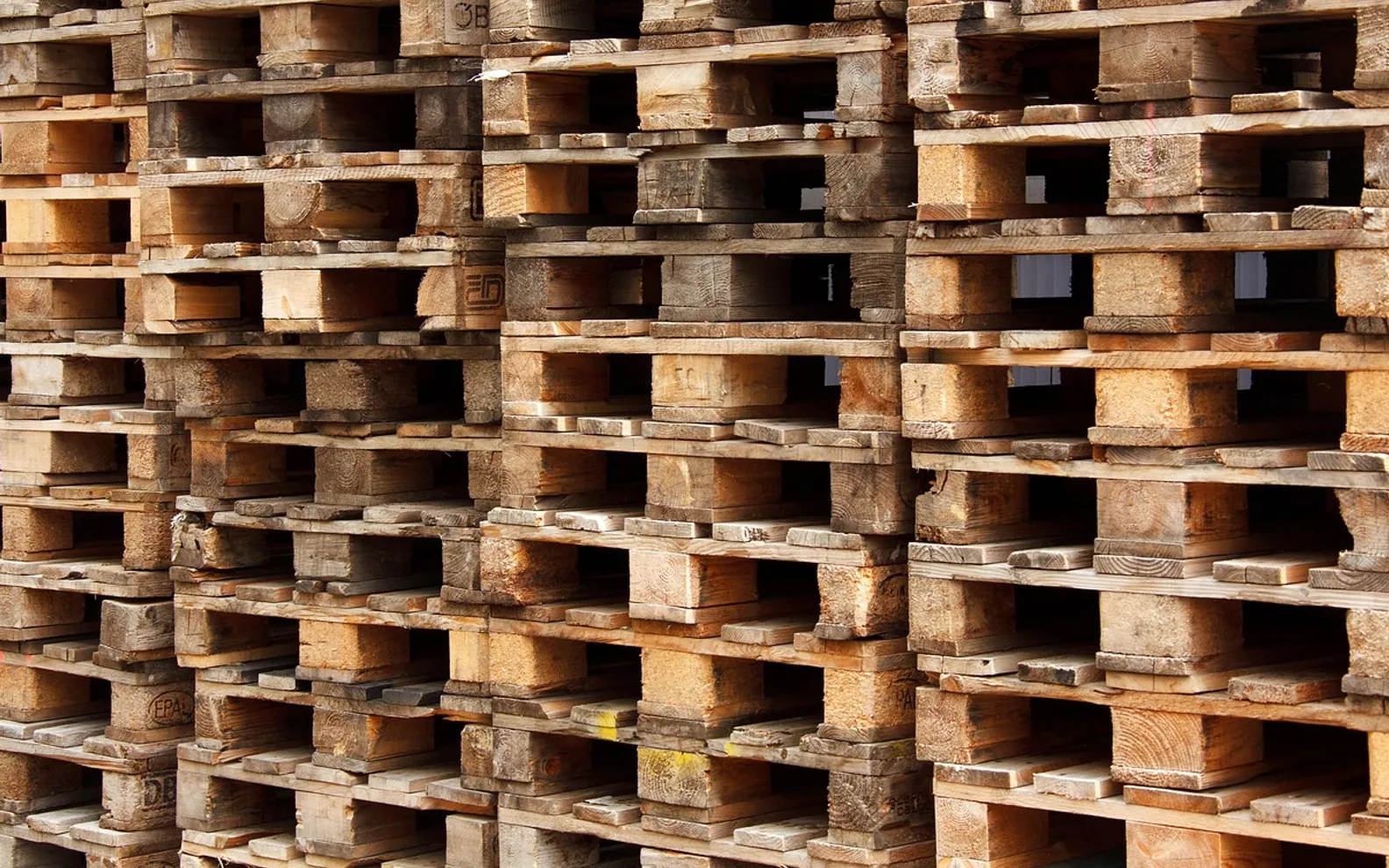
The humble pallet carries a huge volume of goods around the world, yet for decades it has been a passive object: wood or plastic, forklift pockets and a load on top. Smart pallets add a layer of data to that simple platform. By fitting tags and sensors, companies can see where loads are, how they have been handled and whether conditions stayed within limits along the way.
What makes a pallet "smart"
There is no single standard, but most smart pallets combine one or more of these technologies:
- RFID or barcode tags that are read automatically at dock doors and warehouse gates.
- Bluetooth or cellular trackers that report location while goods are on the move.
- Sensors for temperature, humidity, shock or tilt.
- Cloud dashboards that collect readings and send alerts when something goes wrong.
Some pallets have the electronics built into a plastic deck; others use clip-on devices that can be moved from one pallet to another.
Practical benefits
Visibility and fewer losses
Knowing where pallets are at any moment cuts the time spent hunting for misplaced loads and helps recover pallets that drift off to other sites. For pooled or returnable pallets, that alone can justify the investment.
Cleaner inventory data
Automatic scans at each step update stock records without manual entry, which reduces errors and helps planners avoid both shortages and overstock.
Condition monitoring
Food, medicines and electronics can be sensitive to heat, cold or knocks. Sensor data shows whether a shipment stayed within its limits and, if not, where the problem happened. That makes claims easier to settle and helps fix weak points in the chain.
Costs and limits to weigh
Smart pallets cost more than standard ones, and the electronics need batteries, connectivity and software subscriptions. They only pay off if the data is used: someone has to act on alerts and adjust processes. Readers and gateways must be installed at key points, and staff need training. Many companies begin with a pilot on one high-value route or customer, review the results and expand from there.
Standard pallets still do most of the work
Even in highly digital warehouses, most loads still travel on conventional wooden or plastic pallets, and choosing the right type, size and grade remains a basic part of good logistics. Businesses that need dependable everyday stock can buy pallets at Alliance Packing and Shipping, which offers pallets for a range of shipping needs. A sensible approach for many firms is a mix: sturdy conventional pallets for routine flows, with smart tracking reserved for valuable, sensitive or frequently lost loads.
As sensor prices fall and networks improve, smart pallets are likely to become more common. The fundamentals will not change, though: strong pallets, good loading practice and clear processes are what keep goods moving safely.
Questions? Write to us.
A short note is enough.