TECTechnology
The Best Professional Ravioli Makers of 2024: A Comprehensive Comparison
Published 2 min read
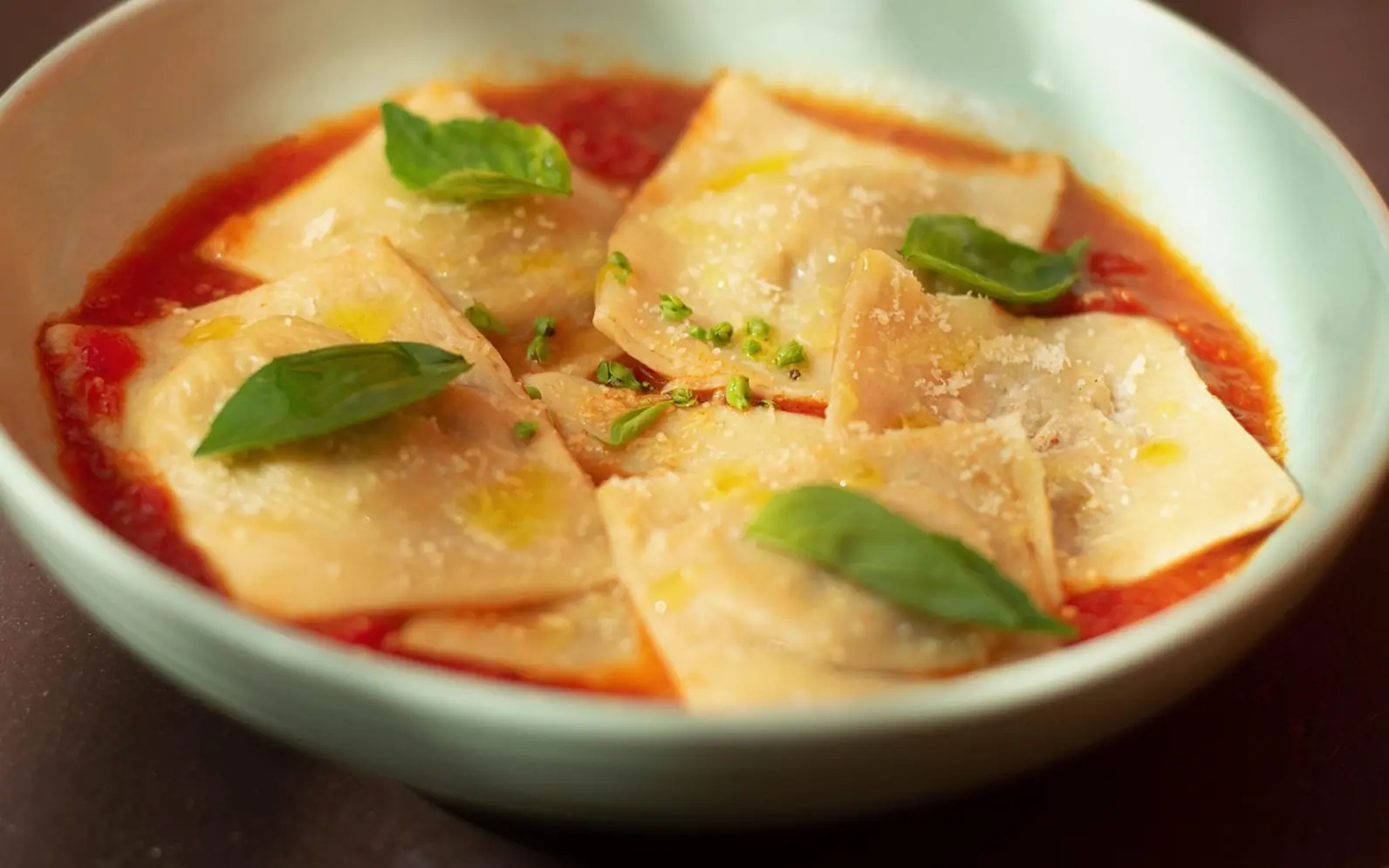
Handmade ravioli is one of the joys of Italian cooking, but folding hundreds of parcels by hand every service is hard work. For restaurants, caterers and fresh pasta shops, the right equipment keeps shapes consistent, fillings sealed and staff free for other jobs. "Best" depends heavily on the kitchen, so this comparison looks at the main types of professional ravioli maker and what each does well.
The main types at a glance
| Machine class | Working principle | Typical kitchen |
|---|---|---|
| Manual moulds and trays | Sheets are laid over a tray, filled by hand and sealed with a rolling pin | Small menus, specials, training |
| Hand-cranked or attachment units | Dough sheets pass through rollers while filling feeds from a hopper | Small restaurants with steady demand |
| Tabletop electric machines | Motor-driven sheeting and filling with interchangeable moulds | Busy restaurants and caterers |
| Automatic floor-standing machines | Continuous production with dosing pumps, cutting and often a conveyor | Pasta workshops, central kitchens, small producers |
Manual and small-scale options
Manual trays are inexpensive, easy to clean and give the cook full control over thickness and filling. Output is limited by the hands on the job, so they suit kitchens that make ravioli occasionally or want an artisan look. Crank and attachment units speed things up while staying affordable, though they still rely on even dough sheets and a careful operator.
Automatic machines for real volume
Once ravioli become a daily staple or a product for retail, an automatic machine starts to make sense. These units roll or receive the pasta sheet, dose the filling precisely, seal and cut each piece, then send them out ready for trays. Interchangeable moulds allow different shapes and sizes, from small squares to rounds and half-moons. For producers who want this level of consistency, a macchinario Raviolatrice professionale from a specialist Italian manufacturer offers the kind of sturdy, purpose-built design that handles long production runs.
Features to compare before buying
- Output. Estimate how many portions you sell on a busy day and choose a machine with headroom, but not so much that it sits idle.
- Filling range. Some machines handle chunky or moist fillings better than others, so test your own ricotta, meat and vegetable recipes.
- Shapes and moulds. Check which moulds come as standard and how quickly they can be changed between batches.
- Cleaning and hygiene. Stainless steel food-contact parts, tool-free disassembly and smooth surfaces save time and support food safety routines.
- Footprint and power. Measure the space, check the electrical supply and think about where finished pasta will go.
- Service and spare parts. Local support and available spares matter as much as the machine itself.
Choosing well
Ask suppliers for a demonstration with your own dough and fillings, and talk to other kitchens that use the same model. Factor in training time for staff and the cost of extra moulds. A well-matched machine pays its way through consistency and labour saved, while leaving cooks free to focus on what makes ravioli memorable: the dough, the filling and the sauce.
Questions? Write to us.
A short note is enough.