TECTechnology
The Evolution of Television: IPTV’s Success Story in France
Published Updated 2 min read
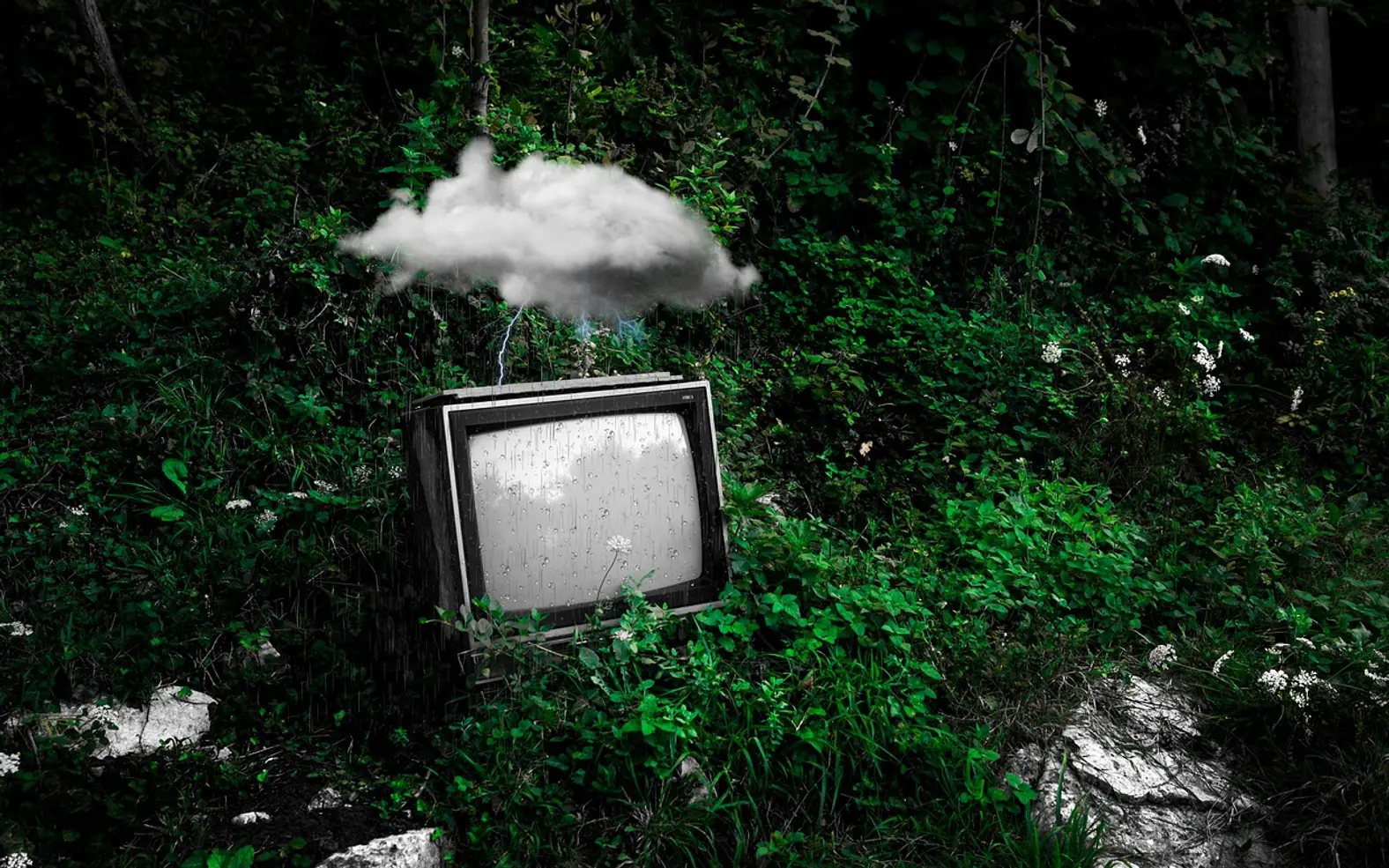
French television has reinvented itself several times. Each change, from a handful of national channels to pay TV, from analogue to digital and from the rooftop aerial to the internet, altered what viewers expected from the screen in the living room. The rise of IPTV is the latest chapter, and it builds on habits that French households developed earlier than many of their neighbours.
From scheduled evenings to more choice
For a long time, French viewers chose between a small number of national channels, and the evening news and the prime-time film set the rhythm of family life. Pay television and later the move to digital terrestrial broadcasting widened the menu considerably. Yet the underlying model stayed the same: broadcasters set the timetable and audiences followed it.
The broadband box becomes the TV box
What set France apart was the way internet providers built television into their home routers. Phone, internet and TV arriving through one box became a familiar arrangement, and for many families it was their first taste of television delivered over a data connection. Live channels, a programme guide, recordings and video on demand sat together in one menu. That early familiarity made later IPTV services feel less like a leap and more like the obvious next step.
Fibre, smart TVs and apps
Three developments then sped up the shift:
- Fibre roll-out brought faster, steadier connections to large parts of the country, which suits high-definition and 4K streams.
- Smart TVs and streaming sticks meant the television itself could run apps, reducing the need for dedicated hardware.
- Phones and tablets turned any room, train or café terrace into a place to watch, with the same account across devices.
Viewers who had grown used to choosing a series on a streaming platform began to expect the same freedom from live channels as well.
What viewers value today
French audiences still care deeply about live sport, national news and big entertainment shows. IPTV has not replaced those habits; it has made them more flexible. Catch-up means a missed match or debate can be watched later, multi-screen viewing lets two people follow different programmes, and international channels serve households with roots elsewhere. Picture quality matters too, and offers such as an Abonnement IPTV HD reflect how central sharp, high-definition viewing has become when people compare services.
A success built on familiar routines
The French experience shows that new technology succeeds when it fits existing routines rather than fighting them. IPTV kept the familiar channels and added control. As the market grows, it remains worth choosing a service that holds the appropriate broadcasting rights in France, so the convenience rests on a stable, above-board footing. If that balance holds, the next chapter of French television is likely to be even more personal, and just as central to everyday life.
Questions? Write to us.
A short note is enough.