Decluttering Before a Move: What to Keep, Donate, Store, or Dispose Of
Published 3 min read
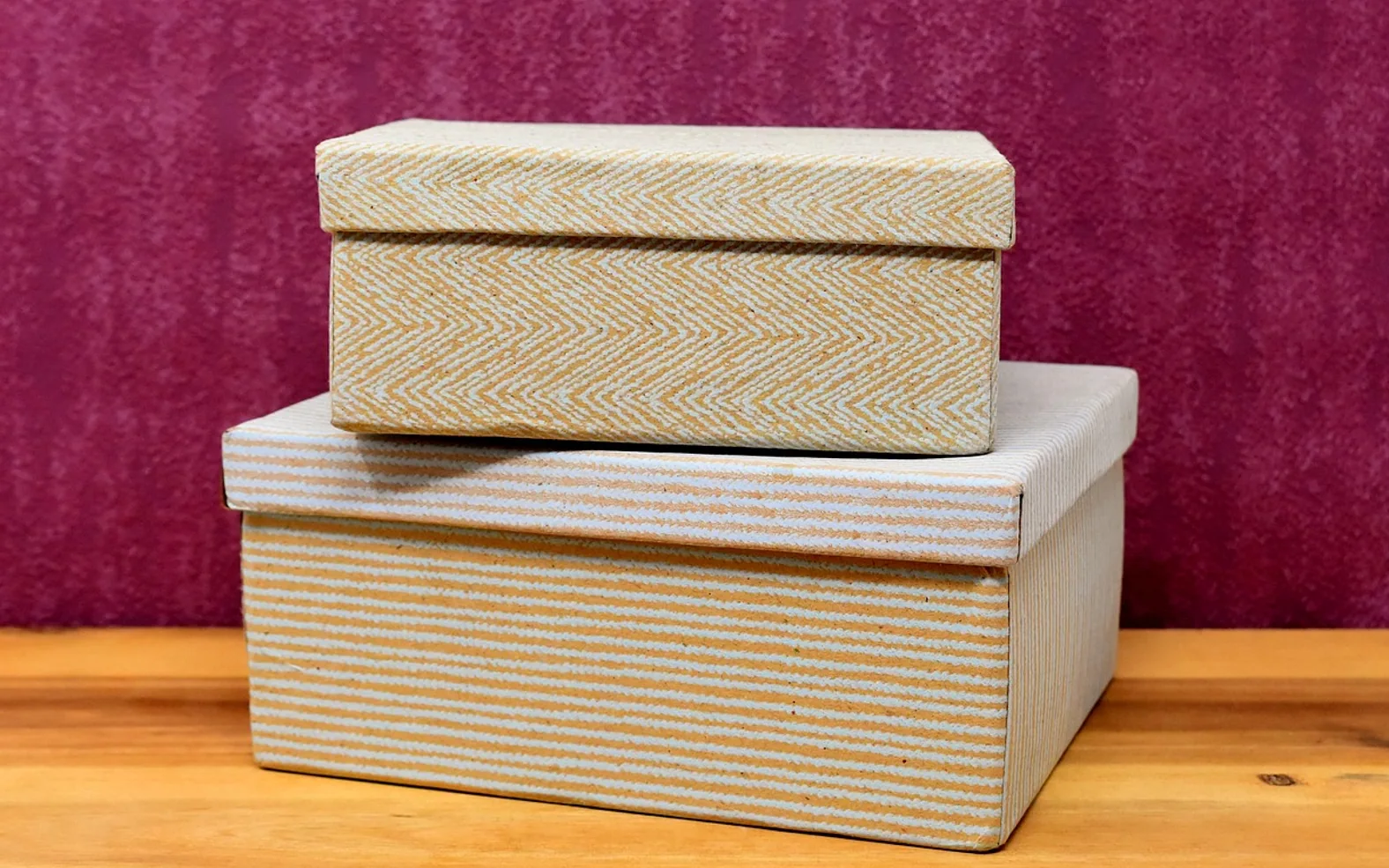
Every item you move costs something: a box, a few minutes of packing, space in the van and another decision on the other side. That is why the weeks before a move are the best time to thin out a household. Instead of hauling everything and sorting it later, give each belonging one of four destinations: keep, donate or sell, store, or dispose of. The system is simple enough to use room by room and firm enough to stop clutter following you to the new address.
For bigger households or tight move-out dates, professional clearance help can take a lot of pressure off. In and around Munich, Paultrans in München is one example of a team that handles sorting, removal and disposal in one go, which is useful when a flat or house needs to be emptied quickly.
Keep: only what earns its place
The keep pile should hold things you use, value or would struggle to replace. A quick test for each item: would you buy it again if it disappeared tomorrow? If the answer is no and it has sat untouched for a year, it probably does not need a box.
- Daily essentials such as bedding, cookware, toiletries and the tools you reach for regularly
- Important documents and items that would be costly or slow to replace
- Sentimental pieces that genuinely matter, rather than ones kept out of guilt
- Furniture that fits the new rooms, measured before moving day
Duplicates deserve special attention. Keep the best frying pan, the sturdiest set of sheets and the mugs you actually like; the rest can move on.
Donate or sell: a second life for good things
Clean, working items that no longer suit you are ideal for donation. Clothing, books, toys, kitchenware and sound furniture often find a new home through charity shops, shelters and community groups. Check what each one currently accepts before loading the car, since rules change.
Selling makes sense for higher-value pieces: branded furniture, electronics, bikes or specialist tools. A move comes with a deadline, so price realistically and set a cut-off date. Anything still unsold by then goes to the donation pile rather than into the van.
Store: needed later, not now
Some things are worth keeping but do not belong in your new living space straight away, such as seasonal decorations, winter sports gear, archived paperwork or an heirloom waiting for the right room. Storage works when it has a purpose and a time frame. It becomes expensive when it turns into a holding area for decisions you have not made.
| Good reason to store | Warning sign |
|---|---|
| Used every season or year | Not touched in several years |
| Earmarked for a family member | No one has asked for it |
| Fits the next home, not this one | Kept "just in case" |
Pack stored items in sturdy, clearly labelled boxes and keep a simple inventory so you know what is there.
Dispose of: broken, expired or unsafe
Whatever is broken, worn out or past its date should not travel. Split it into general waste, recycling, bulky items and special waste such as batteries, electronics, paint and chemicals, which usually need separate collection or drop-off points. Local rules vary, so look them up early and book any bulky waste collection in good time.
Working through one category at a time keeps the job manageable. The result is fewer boxes, a cheaper move and a new home that feels calm from the first evening.
Local contact
- Company
- Paultrans Umzüge | Umzugsunternehmen München
- Address
- Stuttgarter Str. 8, 80807 München, Germany
- Phone
- +49 89 21548164
- Map
- Paultrans Umzüge (Google Maps)
Questions? Write to us.
A short note is enough.
Browse the subjects
More guides in Real Estate
- No. 044RE · Real Estate
 How Vienna Businesses Can Compare Office Cleaning Quotations · 3 min
 - No. 025FIN · Finance
 From Desktop Valuations to Open Banking: The Next Wave of Fast Bridging Loans in the UK · 2 min
 - No. 020RE · Real Estate
 Breaking Down the True Costs of Asphalt Driveway Resurfacing · 2 min