
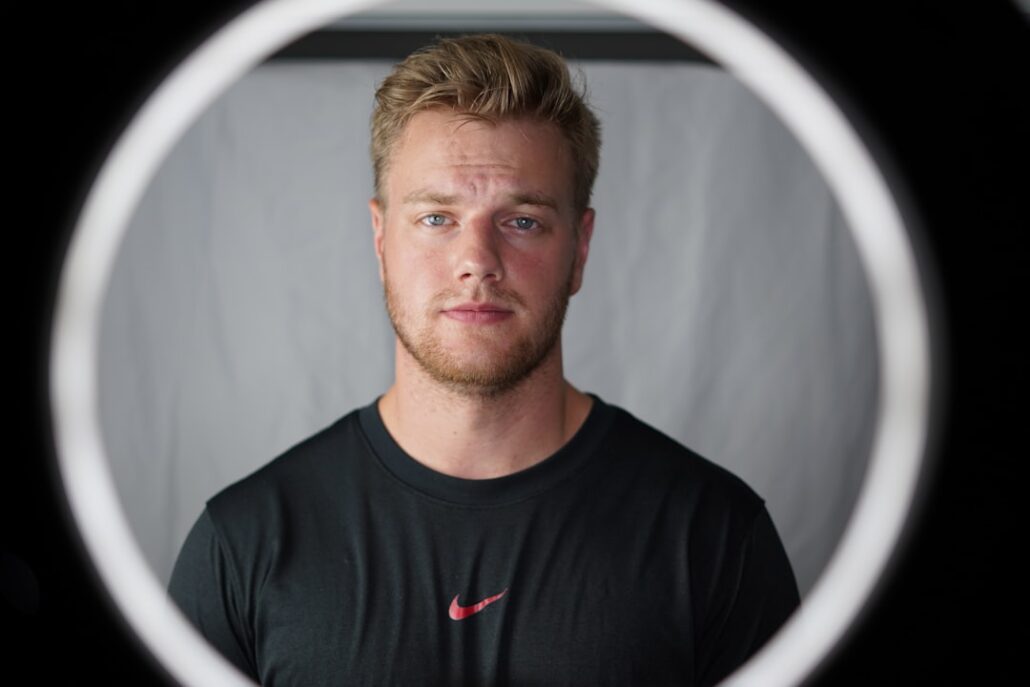
How to Transform Everyday Selfies into Professional Headshots with AI
In a digital-first world, first impressions often happen long before a meeting begins. People are seen on LinkedIn, company websites, pitch decks, email signatures, and team directories before they ever shake hands or join a video call. That is why a strong headshot matters. It signals professionalism, approachability, and credibility in a single frame. The challenge, of course, is that traditional photo shoots can be expensive, slow, and difficult to organize. AI has changed that. With the right tool and a decent selfie, it is now possible to create polished, business-ready headshots in minutes, making professional personal branding far more accessible than it used to be.
Why AI headshots are reshaping professional branding
AI headshot technology solves a very real problem: most people need a professional image, but not everyone has time to book a photographer, choose a studio, and wait for editing. By using machine learning to enhance lighting, refine backgrounds, and generate more polished portrait styles, AI can turn ordinary smartphone photos into images that look ready for business use.
The appeal is not just convenience. It is consistency. Companies with remote or hybrid teams often want employee photos to look cohesive across websites and internal systems. AI makes that easier by creating a uniform visual style without forcing everyone into the same room. That matters for founders, recruiters, consultants, sales professionals, and also for new interns who need a polished profile from day one.
From an SEO and brand visibility standpoint, professional imagery also helps support trust. When website visitors see clear, high-quality team photos, the business feels more established and transparent. A better portrait may seem like a small detail, but it can improve how a brand is perceived across multiple touchpoints.
What makes a simple selfie suitable for AI enhancement
Not every selfie produces the same result. AI can do a lot, but the starting image still matters. The better the source photo, the more natural and believable the final headshot will look. In most cases, users do not need expensive equipment. A modern smartphone, decent natural light, and a clean composition are enough to get started.
- Use even lighting: Soft daylight near a window helps avoid harsh shadows and gives AI more facial detail to work with.
- Keep the background simple: A plain wall or uncluttered space reduces distractions and improves subject separation.
- Frame the face clearly: The head and shoulders should be visible, with the camera held at eye level.
- Wear solid, neutral clothing: Simple outfits tend to translate better into professional-looking results.
- Choose a natural expression: A relaxed smile or calm, confident look works best for business profiles.
These basics help the software preserve realism while upgrading the overall presentation. If the source image is blurry, heavily filtered, or taken in poor light, the output can look less authentic. AI works best as an enhancer, not a miracle fix for an unusable photo.
How AI transforms casual photos into polished headshots
The real power of AI lies in its ability to simulate the benefits of a studio session without requiring the studio itself. After analyzing facial features, posture, lighting, and image quality, the software can generate refined headshot variations that appear more professional than the original selfie. Depending on the platform, users may choose formal, corporate, creative, or approachable styles that match their industry.
Common enhancements include cleaner backgrounds, improved sharpness, corrected color balance, better skin tone rendering, and subtle wardrobe refinements. The strongest tools avoid over-editing. A good AI headshot should still look like the person, just on their best day. That balance is essential because trust depends on authenticity. An image that looks too artificial can undermine the very credibility it is supposed to create.
This is where AI becomes especially useful for individuals and businesses scaling quickly. Instead of scheduling repeated shoots for each new hire or profile update, teams can generate fresh, consistent headshots on demand. That flexibility is valuable for onboarding, rebranding, conference bios, social media updates, and employer branding campaigns. It also helps individuals keep their online presence current as their career evolves.
Best practices for getting realistic, high-converting results
To get the most value from AI-generated professional headshots, it helps to think beyond the photo itself. The image should match the audience, platform, and brand voice. A corporate attorney may need a more formal result than a startup founder or creative consultant. The best headshot is not just attractive; it is strategically aligned with how the person wants to be perceived.
- Match the style to the platform: LinkedIn, company websites, and speaker pages may call for slightly different levels of formality.
- Review for realism: Check eyes, hairline, skin texture, and clothing details to make sure the image still feels human and true to life.
- Stay consistent with branding: If a team page has a clean, modern look, choose headshots that support that visual identity.
- Update when needed: A headshot should reflect the current version of the person, not an outdated image from years ago.
It is also wise to generate a few variations rather than relying on a single output. This makes it easier to compare expressions, backgrounds, and wardrobe styles. In many cases, the strongest option is the one that feels the least forced. Professional does not have to mean stiff. In fact, approachable confidence often performs better than a highly formal portrait, especially in industries where trust and relatability drive conversions.
AI has made professional headshots faster, more affordable, and more scalable than ever. For individuals, it offers a practical way to elevate personal branding without booking a full photo shoot. For businesses, it creates a streamlined path to consistent team imagery across digital channels. When used thoughtfully, AI can transform an everyday selfie into a polished headshot that supports credibility, visibility, and career growth. The technology is impressive, but the real value lies in how it helps people show up professionally wherever they are seen online.


